Deck Construction: What to Anticipate From Professional Deck Builder Services
When evaluating the expertise of a skilled deck contractor, customers can anticipate a systematic method to transforming their outdoor spaces. From the initial consultation to the final touches, each phase is crafted to secure quality and compliance with local standards. Being aware of what lies ahead can streamline the process and enhance satisfaction. Nevertheless, many are often unsure about their role and responsibilities throughout this process. What key information should they have before beginning this endeavor?
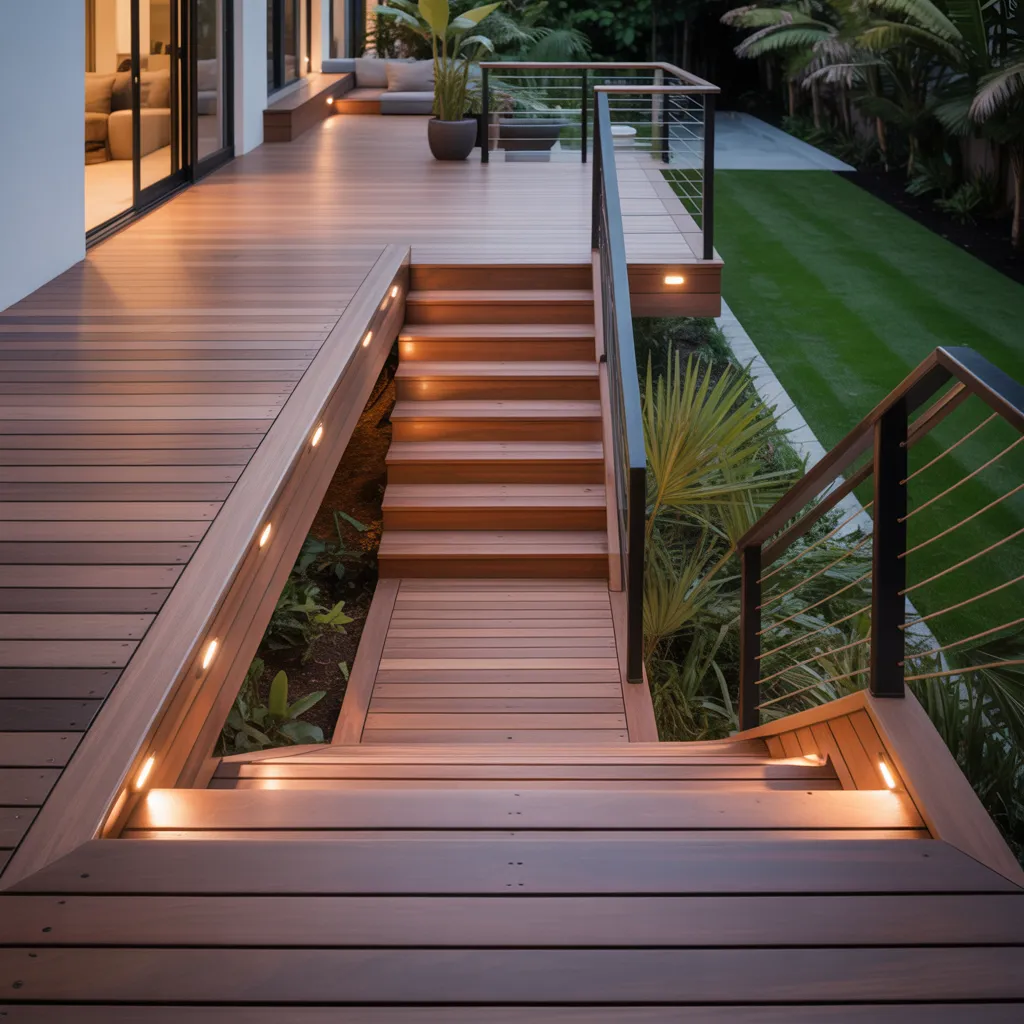
What a Professional Deck Builder Does
A skilled deck construction expert serves a vital function in improving outdoor spaces. Their skill set includes material selection, design, and construction, making certain that every endeavor aligns with the client's expectations and local building codes. By evaluating the individual attributes of a residence, they are able to suggest appropriate design solutions that read now enhance aesthetic appeal and functionality.
These professionals are adept at handling the full scope of the building process, coordinating with suppliers, and keeping to strict timelines. They possess a deep understanding of a wide range of materials, spanning wood to composite materials, equipping them to counsel clients on durability and maintenance.
In addition, a professional deck builder ensures structural soundness, enforcing protective measures that comply with construction regulations. Their professional background helps avoid common construction mistakes, delivering a seamless building process and a satisfactory end result. At the end of the day, a professional deck builder not only creates useful outdoor environments but also provides remarkable benefit to a residence through meticulous design and skilled craftsmanship.
What You Can Expect During Your First Consultation
Throughout the introductory consultation, homeowners can anticipate a thorough review of their project objectives, giving the builder insight into their expectations. Additionally, choices related to design features will be examined to confirm harmony between the client's vision and the builder's skills. This key consultation establishes the foundation for a successful deck construction journey.
Discussion of Project Goals
When clients engage in an introductory meeting for deck construction services, they can anticipate a comprehensive conversation aimed at clarifying project goals and preferences. This discussion generally starts with clients outlining their vision for the deck, including intended uses such as entertaining or relaxation. Professionals will inquire about key features, material preferences, and budgetary considerations. They will also discuss applicable local requirements or site considerations that might influence the outcome. Through carefully attending to the clients' needs and desires, the professional can confirm alignment between the project parameters and the client's vision. Setting these core objectives is essential for a productive working relationship, which shapes the design and construction phases that follow.
Design Preference Discovery
How should clients express their design preferences when meeting with deck building professionals for the first time? It is advisable for clients to bring ideas, drawings, or images that represent their desired deck design. Communicating preferred styles—whether modern, rustic, or traditional—enables builders to gain a clearer understanding of the client's aesthetic goals. Clients should also address the primary purpose of the deck, whether it will serve as a space for entertaining, relaxation, or family gatherings. Taking into account materials, colors, and features such as railings or lighting is essential, as these factors significantly shape the final design. Transparent communication is critical; raising questions and being open to the builder's input can produce a more customized result. This collaborative approach guarantees that both parties align on the vision and practical aspects of the project.
What Role Do You Play in the Deck Construction Process?
What position should one take in the deck building process? Homeowners should adopt an engaged yet team-oriented position, engaging with professional builders while transparently conveying expectations and specifications. This engagement confirms that the finished deck aligns with personal vision and practical requirements.
As a first step, home improvement planners should gather inspiration and create a catalog of preferred features, including shape, materials, and functionality. In doing so, they give design-build experts with a clear framework for design discussions.
Next, it is essential to stay open to professional insights. Contractors often bring significant understanding regarding structural soundness, regional requirements, and cost-effectiveness.
In conclusion, homeowners must set a budget and timeline early in the process, supporting honest communication and outlining realistic expectations. By merging their ideas with expert recommendations, homeowners can take an active part in building a deck that improves their outdoor living area.
How to Bring Your Design Concepts to Life
Transforming design concepts into reality requires a strategic approach that bridges imagination and execution. Initially, it is essential to clarify the vision, making certain that all design aspects correspond to the homeowner's expectations. Professional deck builders often recommend creating detailed sketches or using 3D modeling software to visualize the final product accurately.
Moreover, creating a practical schedule and budget is critical. During this stage, it is important to discuss evaluating likely difficulties, such as environmental factors or zoning requirements, with the contractor to predict and minimize any issues. Maintaining open communication is vital; consistent progress reports and meetings guarantee the work stays true to the primary goals.
In the end, hiring an experienced decking professional who appreciates the intricacies of executing design plans ensures that the transition from design to build is effortless. By following these steps, residents can confidently manage the conversion of their creative concepts into a stunning, functional backyard retreat.
How to Pick the Perfect Materials for Your Deck
Selecting the ideal options for a deck demands close examination of several alternatives, including composite and wood materials. Each selection provides unique benefits, particularly concerning durability and aesthetics. Additionally, understanding weather resistance is essential for achieving lasting durability in different climates.
Wood vs. Composite Options
Selecting the best materials for a deck can considerably affect its longevity, upkeep, and visual appeal. Property owners often encounter the choice between traditional wood and composite materials. Wood, widely preferred for its organic appeal and warmth, provides a traditional aesthetic but demands consistent upkeep, including staining and sealing. On the other hand, composite deck materials, made from a blend of wood fibers and plastic, delivers a low-maintenance alternative that resists fading and splintering. Even though it can involve a larger initial expense, composite materials often prove more durable over time. At the end of the day, the choice is determined by personal priorities, budget constraints, and future maintenance expectations, influencing the overall satisfaction with the finished deck.
Climate Resistance Considerations
When examining deck materials, resistance to weather is a key factor that greatly affects durability and functionality. Careful material selection can protect against damage caused by moisture, UV rays, and temperature fluctuations. To illustrate, composite decking frequently incorporates cutting-edge technology to combat fading and warping, making it well-suited to varied climates. Pressure-treated wood is an alternative choice, but it demands consistent upkeep to prevent rot and insects. Additionally, tropical hardwoods, known for their natural oils, deliver outstanding protection against the elements but may come at a higher cost. In the end, assessing the regional climate and examining the characteristics of various materials aids in identifying a deck that holds up against weather conditions, guaranteeing a long-lasting and appealing outdoor area for years to come.
Project Timeline: What You Can Expect
What is the typical timeline for a deck construction project? Deck construction timelines can differ significantly depending on a number of factors, including the intricacy of the design, the type of materials used, and current weather conditions. In most cases, a basic deck installation will require anywhere from one to three weeks. This timeframe encompasses several phases, commencing with the first consultation and design confirmation, followed by the preparation of the site and the procurement of necessary materials.
Once the necessary permits are obtained, construction begins. This stage encompasses framing, deck installation, and final details, such as railings and stairs. Every stage demands meticulous attention to detail and may be influenced by unforeseen delays, such as inclement weather or supply chain issues. Property owners should expect consistent updates from their deck contractors to stay informed about progress and any potential adjustments to the timeline. Overall, understanding the construction timeline enables homeowners to form practical expectations for homeowners starting on a deck-building project.
Common Deck Building Challenges and How to Address Them
Building a deck presents various difficulties that can test even the most experienced contractors. Within these hurdles, ground preparation frequently emerges as a significant hurdle. Uneven terrain or insufficient drainage can disrupt the building process. Contractors can overcome this by carrying out detailed inspections and utilizing proper leveling methods.
One recurring difficulty lies in selecting suitable materials. With numerous options available, balancing aesthetics, cost, and durability is vital. Experts can address this challenge by offering clients thorough breakdowns of materials appropriate for particular settings.
Weather conditions also pose a challenge, as sudden rainfall or harsh temperatures may cause project delays. To combat these conditions, maintaining adaptable schedules and carefully monitoring weather forecasts proves critical.
Lastly, adhering to local building codes and regulations can be challenging. Keeping informed about these requirements and collaborating with regulatory bodies can streamline the approval process, ensuring compliance and timely project execution.
Deck Builder-Approved Maintenance Tips for Extended Longevity
Successful deck construction is just the beginning of maintaining a beautiful outdoor space. Regular maintenance is essential for longevity and aesthetics. Deck builders recommend routine inspections, focusing on loose boards, rusted screws, or signs of rot. Thoroughly cleaning the deck at least twice per year is critical; using a gentle cleanser and a soft brush can prevent dirt buildup and mold growth.
Using a weather-resistant sealant every couple of years helps guard against sun and moisture damage, maintaining the wood's strength. In the autumn, it's wise to clean away leaves and debris to avoid moisture buildup and possible rot.
Moreover, homeowners should guarantee adequate drainage around the outdoor deck to minimize moisture buildup. If the deck area is coated with paint or stain, renewing these treatments can boost both aesthetic appeal and longevity. By adhering to these maintenance tips, deck owners can appreciate their decks for a long time, enhancing their investment and outdoor enjoyment.

Questions We Are Often Asked
How Much Does a Professional Deck Building Service Typically Cost?
A professional deck building service typically costs anywhere from $15 to $35 per square foot, depending on materials, design complexity, and location. Extra costs may stem from permits and custom features, affecting the overall price.
Which Permits Are Required for Building a Deck?
Generally, deck construction permits include zoning approvals, building permits, and inspections, depending on the location. Property owners should consult their local regulations to confirm full compliance and prevent potential fines or construction delays during the project.
Can Changes Be Made During the Construction Process?
Changes are frequently possible during the construction process, but they may need approval from the builder. Modifications might affect schedules, budgets, and materials, so open dialogue with the contractor is vital for a seamless adjustment.
Will Deck Builders Provide a Warranty on Their Work?
Numerous deck contractors offer warranties on their craftsmanship, ensuring protection against material and workmanship deficiencies. The duration and coverage of these warranties may differ, so it's essential for homeowners to clarify details before the project gets underway.
What Is the Lifespan of My Deck With Proper Maintenance?
With proper maintenance, a properly constructed deck can last between 15 and 25 years. Regular inspections, cleaning, and sealing are essential to preserve its longevity, maintaining structural integrity and visual appeal throughout its use.